


The short answer
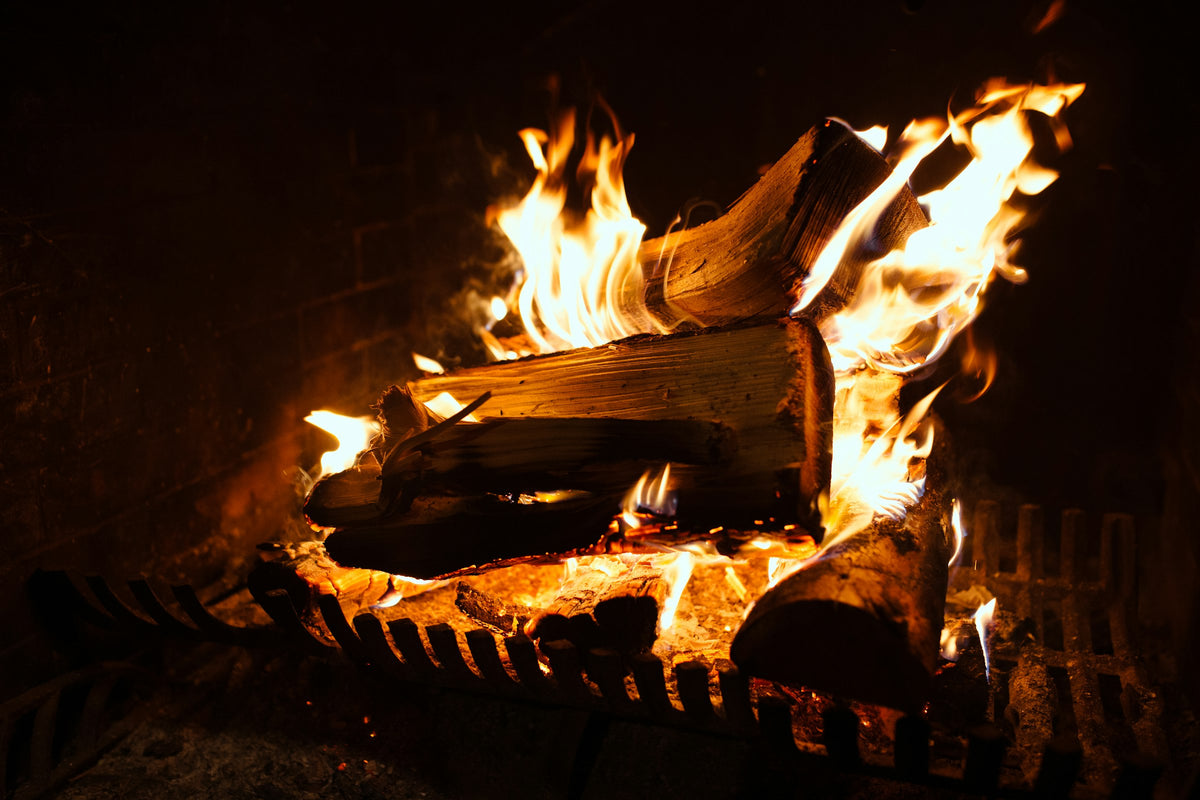
Wood wool or firelighter cubes? For an open fireplace or wood stove the wool wins. It is made of wood wool and wax, burns on for eight to ten minutes and gives off no chemical smell in your living room. Firelighter cubes on a paraffin base are cheaper each and burn for less time, and you really do smell that at an open fireplace.
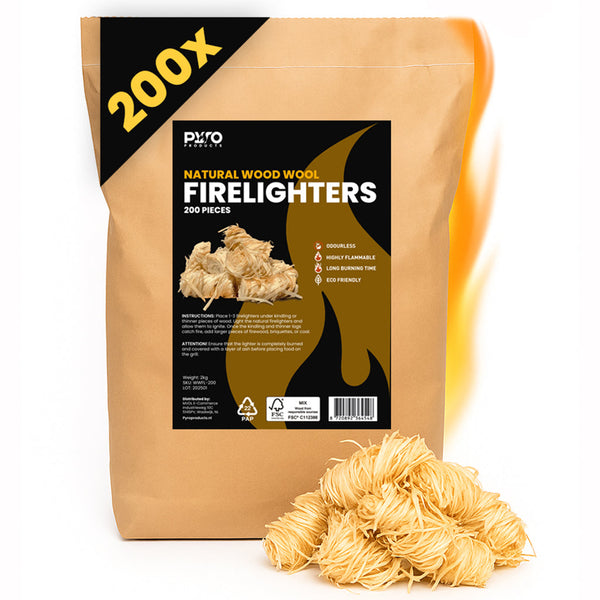
That is why we only sell the wool, alongside the rest of the fireplace accessories. The Wood wool 2 kg (200 pieces) is a box of 2 kg with about 200 portions, which sees you through a whole burning season.
At the barbecue it is more nuanced. Smell matters less there, but the burning time counts for more because charcoal needs longer to take hold.
Where the difference comes from
A firelighter block is usually pressed sawdust soaked in paraffin or kerosene. It catches very quickly, burns fiercely, and is gone after four minutes or so. Fine under a barbecue where you're standing next to it, trickier in a fireplace where the fire has to build itself up.
A fire starter is wood wool, twisted into a plug and dipped in wax. That wax melts slowly and feeds the flame steadily, instead of burning up in one go. That's the whole difference: time.
Why that matters: wood 15 centimetres thick needs eight to ten minutes of sustained flame before it burns through on its own. If your fire starter can't manage that, the fire goes out while you think it's going.
The smell is the second point. You smell kerosene, and in a living room with an open fireplace it hangs there for the first ten minutes. Wax and wood wool smell of nothing.
What you need to get a fireplace going
Three things, and not much more. A fire starter that burns long enough, something to light it with without burning your fingers, and dry wood.
The fire starters are the first. Two or three per fire is enough, and the box lasts a season. Spread them out instead of piling them up, then the wood catches on several sides at once.
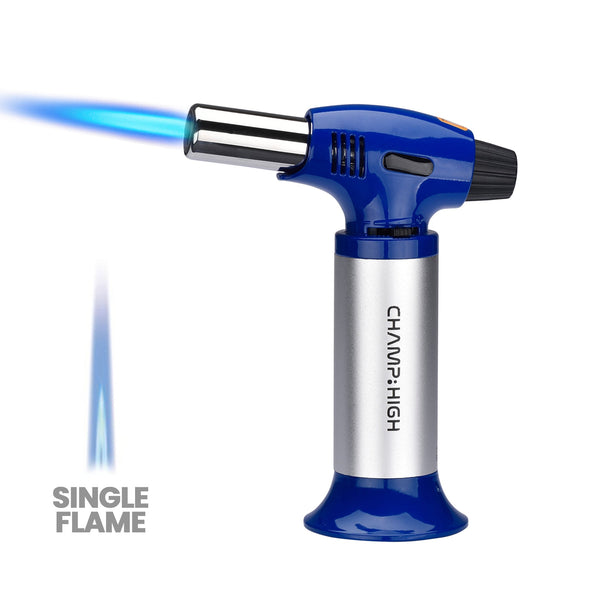
For the lighting itself, a long jet flame is the most pleasant. The Champ Tatin has a curved neck that gets you under the wood without putting your hand into the fireplace. More models are in the fireplace lighters, and which is good for what you can read in our top 5 fireplace lighters.
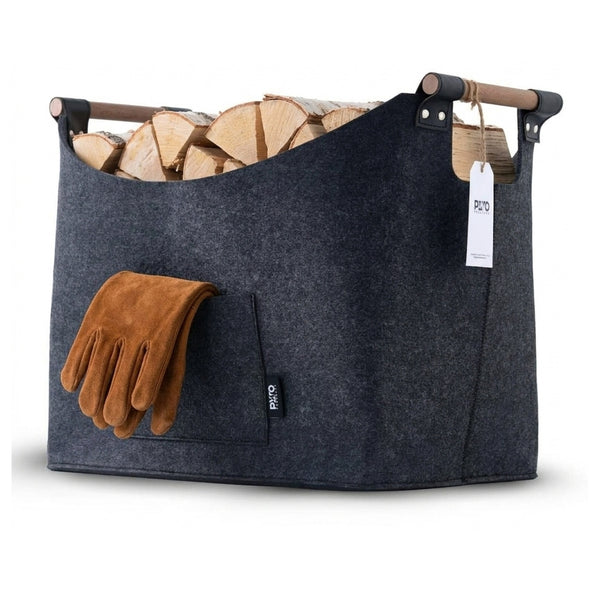
Dry wood is the third, and that's more a matter of storage than of buying. Wood that waits for a week next to the fireplace in a Felt Log Basket (60 litres) dries out further, and that makes a noticeable difference when lighting.
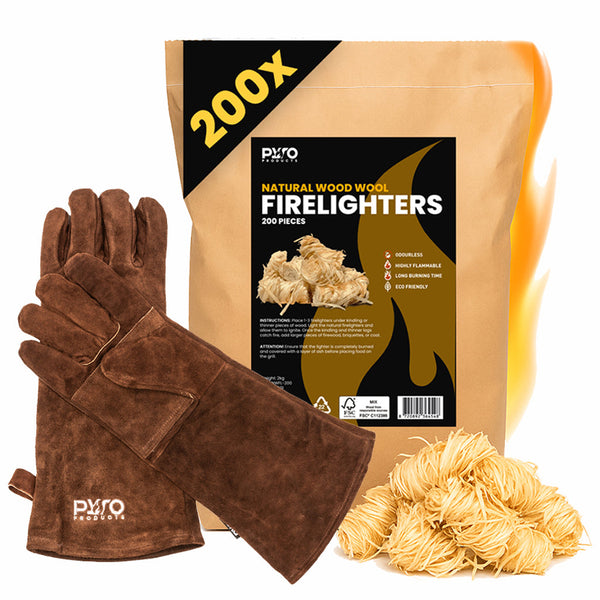
If you want to get it right in one go: the Fireplace Basic Set has the fire starters, a lighter and gloves together.
Fire starters and blocks side by side
wood wool + wax · 8 to 10 minutes burn time · odourless · 2 per fire · 5.0 out of 2 reviews
sawdust + paraffin · 3 to 5 minutes burn time · paraffin smell · 2 to 4 per fire
burns for 30 seconds · lots of ash and fly ash · smokes · not suitable for thick wood
not a fire starter but fuel · you still need it alongside fire starters or firelighters
Which one to choose in your situation
Open fireplace in the living room. Wood wool. The smell of paraffin lingers in a room where you sit, and you need the longer burning time for thicker logs.
Wood stove. Wood wool too, for the same reason. A stove also only draws well once the fire is up to temperature, and that takes time.
Barbecue with charcoal. Both work. Wood wool is pleasant here because briquettes take hold slowly; there is a reason they also sit with the bbq accessories.
Fire bowl or table fireplace. Wood wool, because outdoors you have to reckon with wind and then a longer flame is simply safer.
Where people go wrong
The most common mistake is using too little fire starter. One fire starter under a stack of five kilos of wood won't manage, however long it burns. Two or three, spread across the width, will.
The second is wet wood. No fire starter makes up for wood above twenty percent moisture; it just hisses and fogs up your glass.
And the third: adding wood with bare hands. The Heat-Resistant Leather Gloves are no luxury once the fire is going.
Frequently asked questions
For an indoor fireplace, fire starters are better. They burn for eight to ten minutes against three to five for a block, and they give off no paraffin smell. Blocks are cheaper per piece and fine under a barbecue where you're standing right next to it.
Two to three, spread across the width of your fire bed. With thick logs or a cold chimney you can add a third. More than four is pointless: then the wood is the problem, not the fire starter.
Yes. They're made of wood wool and wax, and neither smells of anything in particular when burning. That's the clearest difference from paraffin-based blocks, which you really do smell in a living room.
Yes, and they work well there because briquettes catch slowly. Place two fire starters under the charcoal and light them from the side. That's why we list them under both fireplace and BBQ accessories.
You can, but it rarely works. Paper burns for half a minute and leaves fly ash that goes up your chimney. For thin kindling it sometimes works; for logs of ten centimetres or so it doesn't.
How much does each fire cost you
Do the sums, because the price per box says little. A box of fire starters contains about two hundred and you use two to three each time. That comes to well over sixty fires from one box.
A bag of firelighter blocks is cheaper per piece, but you often need four instead of two, and you have to add wood more often if the fire doesn't catch straight away. At the bottom line they're barely apart.
What does make the difference is whether the fire catches first time. A failed attempt costs you two blocks, ten minutes and a room that smells of paraffin.
Our conclusion
Firelighter blocks aren't bad, they're just made for something else. Under a barbecue in the garden they do a fine job for little money.
Indoors the fire starter wins on two points you notice immediately: it burns twice as long, and your living room doesn't smell of it. That's the whole trade-off.
Related articles
 Fireplace
Top down fire: lighting your fireplace from the top
 Fireplace
A gift for someone with a fireplace
 Fireplace
Which log splitter suits your firewood?
More articles like this?
New tips, product comparisons and exclusive offers straight to your inbox. Plus 10% off your first order.